24 October 2026
Police Interview in Queensland: What Does It Mean?
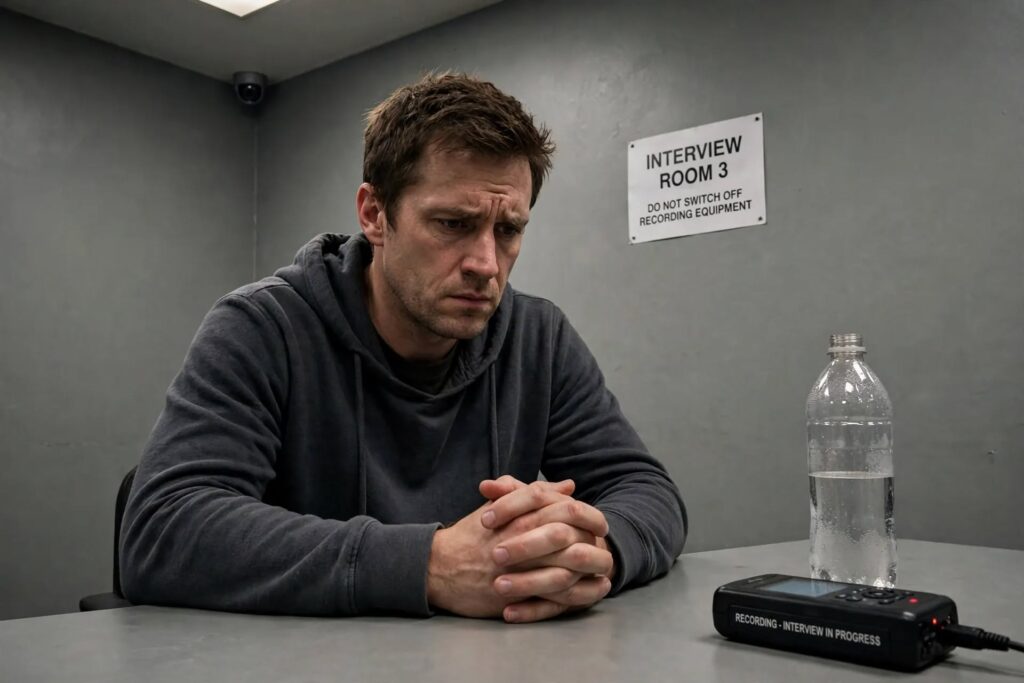
Have Queensland Police asked you to attend an interview? Learn what a police interview request means, whether you may be charged, and why you should seek legal advice.
Disclaimer
This is an AI-generated blog providing basic general information only. It is not legal advice and does not constitute advice from a lawyer. For advice about your particular circumstances, please contact a qualified criminal lawyer. You are also welcome to call AJ Faisal by hitting the call now button for a free initial consultation to discuss your situation.
Police Have Asked You to Attend an Interview in Queensland: What Does It Mean?
If Queensland Police have contacted you and asked you to attend a police interview, you may be wondering why they want to speak to you, whether you are about to be charged, and whether you should agree to participate.
A request to attend a police interview can be stressful, particularly if you have never had any involvement with the criminal justice system. You might think that the police simply want to hear your side of the story or give you an opportunity to explain what happened.
However, being invited to participate in a police interview does not necessarily mean that the police are approaching the matter with an open mind.
In many cases, the police have already investigated the allegations, gathered evidence, and formed a view about whether they believe an offence has occurred. The interview may be one of the final steps before a decision is made to charge you.
Understanding what a police interview request means can help you make informed decisions about how to respond.
1. Why Have the Police Asked You to Attend an Interview?
Police interviews are commonly conducted as part of a criminal investigation. If the police suspect that you have committed an offence, they may ask you to attend an interview so they can question you about the allegations.
Depending on the circumstances, the police may already have obtained evidence from sources such as:
Statements from complainants or witnesses.
CCTV footage or other video recordings.
Text messages, emails, or social media communications.
Phone records or other electronic evidence.
Information obtained from other people involved in the investigation.
Documents or physical evidence connected with the alleged offence.
By the time the police contact you, they may have already reviewed some or all of this material.
The purpose of the interview may be to obtain your account of events, test your explanation against the evidence, clarify particular issues, or obtain admissions that may support a prosecution.
You should not automatically assume that the police are asking you to attend because they are unsure what happened and simply want to hear your side of the story.
The police may already suspect you of committing an offence and may be seeking further evidence to support their investigation.
2. Does a Police Interview Request Mean You Are Going to Be Charged?
In my experience, when police invite someone to attend an interview as a suspect in a criminal investigation, it is often a strong indication that the investigation has progressed considerably.
In many cases, the police have already formed a view about the person’s involvement and are considering, or preparing for, the possibility of laying charges.
It is not unusual for a person to attend a police interview and subsequently be charged with an offence.
However, it is important to distinguish between a strong indication and a certainty. A request to attend an interview does not automatically mean that you will be charged. The circumstances vary depending on the nature of the allegation, the evidence available, and the stage of the investigation.
The police may still be investigating the matter, testing competing accounts, or seeking information before deciding what action to take.
Nevertheless, if you have been contacted by police because they suspect you of an offence, you should take the request seriously.
Do not assume that attending an interview is simply a routine conversation or that the police will necessarily decide not to charge you if you provide a satisfactory explanation.
3. Why Do Police Want to Interview You If They Have Already Made Up Their Minds?
A common question is: if the police already suspect me of an offence, why do they need to interview me?
There may be several reasons.
To obtain admissions
An interview gives investigators an opportunity to ask questions about the alleged offending. Your answers may contain admissions that the police consider relevant to proving an offence.
You may unintentionally make statements that strengthen the prosecution case, even if you attend the interview intending to explain your innocence.
To test your explanation
The police may have already obtained statements or other evidence that they believe implicates you. They may ask questions designed to compare your account with that evidence.
If your answers differ from the information they already possess, the police may investigate those differences further.
To clarify the evidence
Investigators may want to establish details about your movements, communications, relationships with other people, or involvement in particular events.
Even answers that seem insignificant to you may become relevant when considered alongside other evidence.
To complete the investigation
An interview may form part of the process of finalising an investigation and determining whether charges should be laid.
The fact that police want to interview you does not necessarily mean that they have all the evidence they need. It may mean that they are attempting to fill gaps in their investigation or obtain additional material before making a decision.
For these reasons, you should not assume that the interview is an opportunity to persuade the police to abandon their suspicions simply by giving your version of events.
4. Are You Required to Participate in a Police Interview?
This is an important question, and the answer depends on the circumstances.
In Queensland, being invited to attend a police interview is not, by itself, the same as being legally required to answer police questions.
The police may contact you by telephone, send you a message, or otherwise request that you attend a police station to participate in an interview. A request does not automatically create a legal obligation to attend or answer questions.
However, different rules may apply depending on the circumstances, including whether you have been arrested, whether a particular statutory power applies, and the nature of the information being requested.
You should not assume that every police request can safely be ignored. Equally, you should not assume that you must answer every question simply because a police officer asks it.
Your legal position should be assessed before you decide how to respond.
5. Is Participating in a Police Interview Always a Good Idea?
No. Participating in a police interview is not always in your best interests.
Some people believe that if they have done nothing wrong, they should attend an interview and explain everything to the police. They may feel that refusing to answer questions will make them appear guilty or cause the police to assume that they have something to hide.
However, a criminal investigation is not necessarily resolved simply because a person provides an explanation.
You may believe that you are helping yourself by answering questions, but your answers could provide investigators with information they did not previously have. You might also make an inaccurate statement, overlook an important detail, or express yourself in a way that can later be interpreted differently from what you intended.
On the other hand, there may be circumstances in which participating in an interview, providing an explanation, or making a carefully considered statement may assist your position.
There is no single answer that applies to every case.
The decision should be based on the allegations, the available evidence, the potential charges, and the legal risks associated with answering questions.
For a more detailed discussion of the advantages and disadvantages of participating in a police interview, read our separate article: [Why Should You Participate in a Police Interview — or Should You?]
Before deciding whether to participate, consider obtaining advice from a criminal lawyer who can assess your circumstances.
6. What Should You Do If Police Contact You for an Interview?
If Queensland Police have asked you to attend an interview, consider taking the following steps.
First, establish the nature of the request.
If possible, clarify which police station or unit is contacting you, whether the request relates to a particular incident, and whether the police are asking to interview you as a suspect, witness, or in another capacity.
Second, do not assume that you know what evidence the police have.
You may have only a limited understanding of the investigation. The police may possess statements, recordings, messages, or other evidence that you have not seen.
Third, avoid discussing the allegations in detail before obtaining legal advice.
Even an informal conversation with an investigating officer may be relevant to the investigation. Be cautious about volunteering explanations or making statements before understanding your legal position.
Fourth, obtain advice from a criminal lawyer.
A criminal lawyer can help you understand the potential consequences of attending an interview, explain your rights, and advise you on the options available in your particular circumstances.
The appropriate course of action will depend on the nature of the allegations and the evidence.
7. What If You Have Already Agreed to Attend?
If you have already agreed to attend a police interview, do not assume that you have lost the opportunity to obtain legal advice.
You should seek advice as soon as possible and before answering substantive questions.
Agreeing to attend does not necessarily mean that you have agreed to answer every question or surrendered any rights you may have under Queensland law.
Your lawyer can explain the position that applies to you and help you consider your options before the interview takes place.
If you have already participated in an interview, you should also seek legal advice if you are concerned about anything you said or about the possibility of being charged.
8. Speak to a Brisbane Criminal Lawyer Before Attending a Police Interview
A request from Queensland Police to attend an interview should not be treated as an ordinary conversation.
It may indicate that you are the subject of a criminal investigation that has progressed to a point where the police are considering laying charges. The interview could have significant consequences for your legal position.
You should not automatically assume that participating will help you, but you should not make a decision without understanding your rights and the circumstances of your case.
Obtaining legal advice before an interview may help you make an informed decision about how to respond and avoid unnecessary risks.
If police have contacted you about a suspected criminal offence, consider speaking to a Brisbane criminal lawyer or a criminal lawyer near you before attending the interview. Call me now for a free consultation.
Getting advice early may help you understand the situation and make decisions that protect your legal interests.
Contact me now to discuss your circumstances and obtain advice about a police interview in Queensland.